Adventure Tourism for Beginners: Start Safely, Pay Fairly
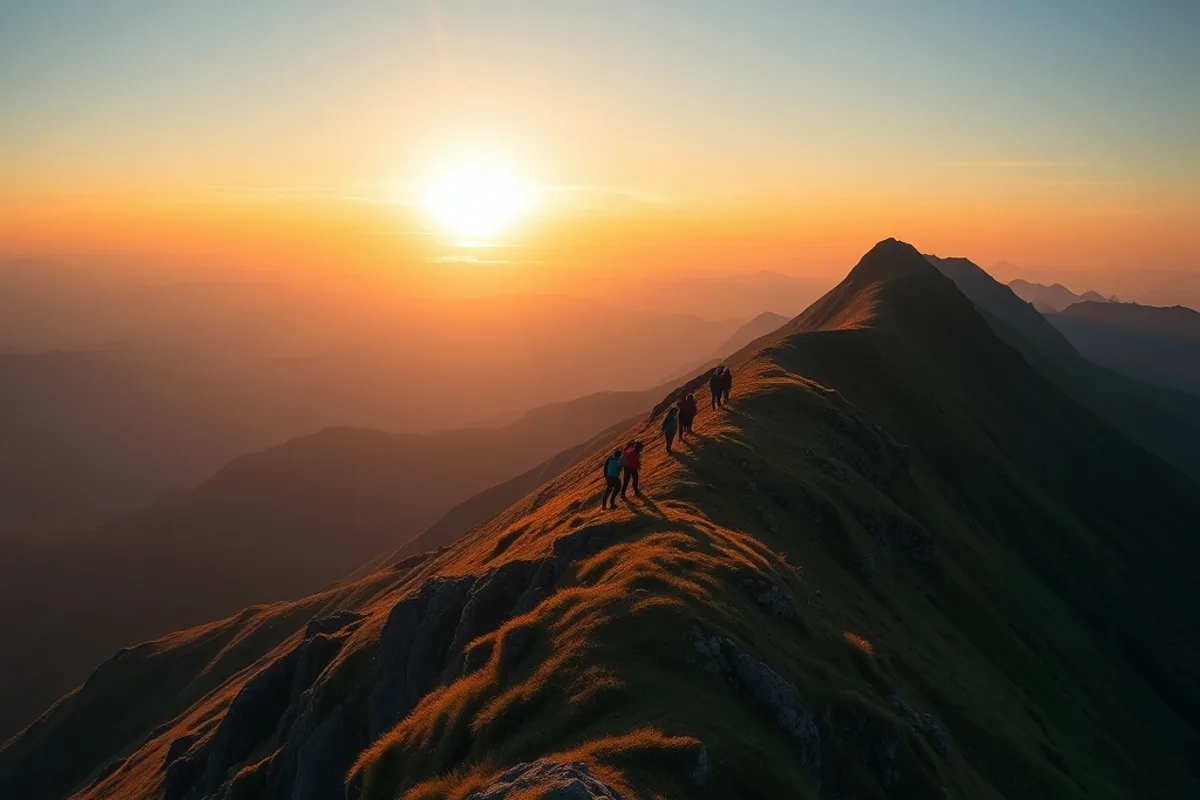
Adventure tourism sounds like it belongs to other people: the ones with better knees, bigger budgets and a garage full of equipment. In practice, most first adventures are modest. A guided hike, a beginner dive, a day on a lake, a night in a mountain hut. The trick is choosing the right size of challenge and checking the operator properly before you pay.
This guide is for the traveller who wants a real activity rather than a photo stop, but does not want to gamble a holiday on an untested guide. We will cover how to pick a first trip, what safety questions actually matter, how to pack without buying a new wardrobe, and where beginner trips tend to be overpriced.
Start one level below your ambition
Almost everyone overestimates what they can enjoy on day one. A six-hour mountain hike at altitude is a wonderful thing if you have trained for it and a miserable one if you have not. Choose an activity that is slightly easier than the version you are imagining, finish it with energy left, and book the bigger day for the end of the trip if you still want it.
The same rule applies to water, snow and height. A beginner dive in a pool or shallow bay is not a waste of a day; it tells you whether you like the sport before you spend a week's budget on it. A short via ferrata with a guide is a better introduction than a summit you will remember mainly as fear.
Check the operator, not just the reviews
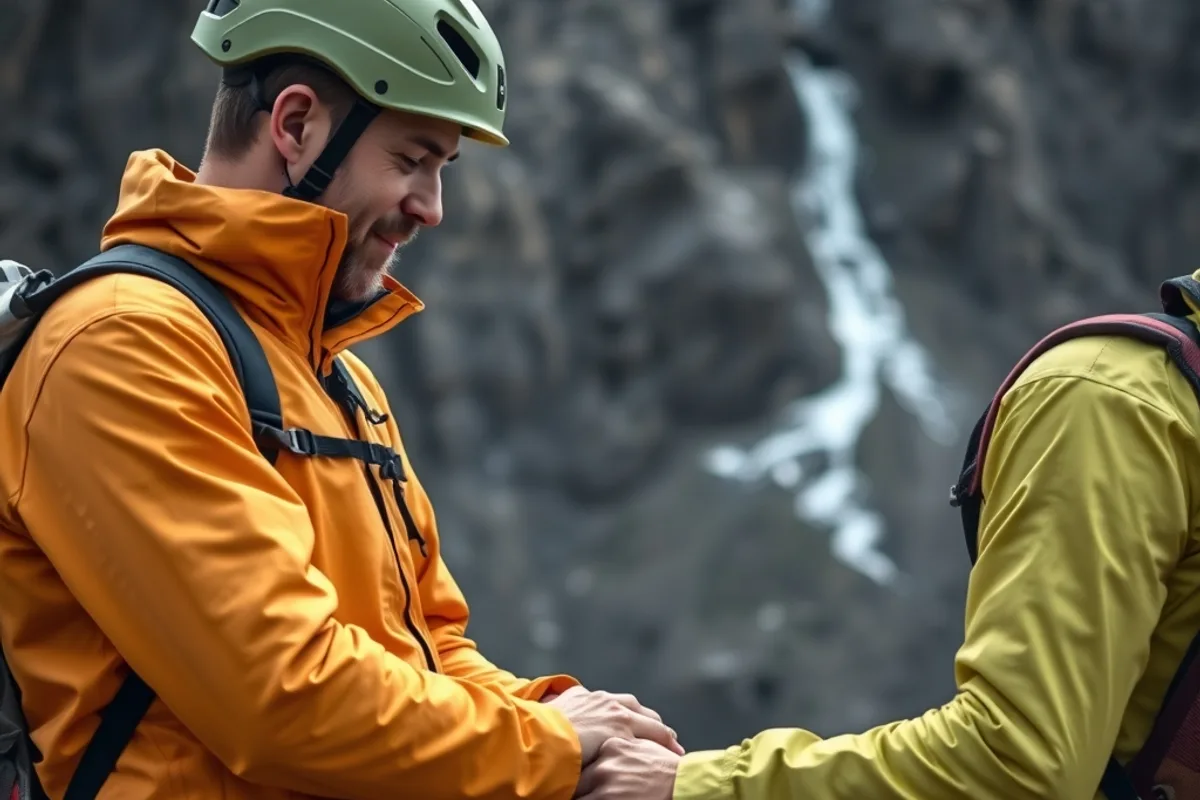
Reviews tell you whether people had fun. They do not tell you whether the ropes were inspected. Look for a named company with an address, a licence or accreditation where the country requires one, and a guide who can explain the plan in a language you understand. Group size matters too: eight people with two guides is a different experience from twenty with one.
Ask three direct questions before booking. What happens if the weather turns? What is included in the price, and what is extra? What is the ratio of guides to guests? A good operator answers these quickly because they deal with them every day. Vague answers, pressure to pay in cash and a price well below everyone else are reasons to walk away.
Understand what insurance does and does not cover
Many standard travel policies exclude the exact activities that make a trip adventurous: hiking above a certain altitude, diving, skiing, climbing or riding a scooter. Read the exclusions before you buy, and pay for the adventure add-on if the trip needs it. This is the one area where saving twenty dollars can cost you thousands.
Check whether the operator's insurance covers you or only their own staff and equipment. Some include third-party liability but expect you to carry medical cover. Ask for it in writing, and keep the policy number with your documents. If you are doing a remote trip, check that evacuation is covered and that the hotline works from the country you are visiting.
Pack for the activity, not for the photograph
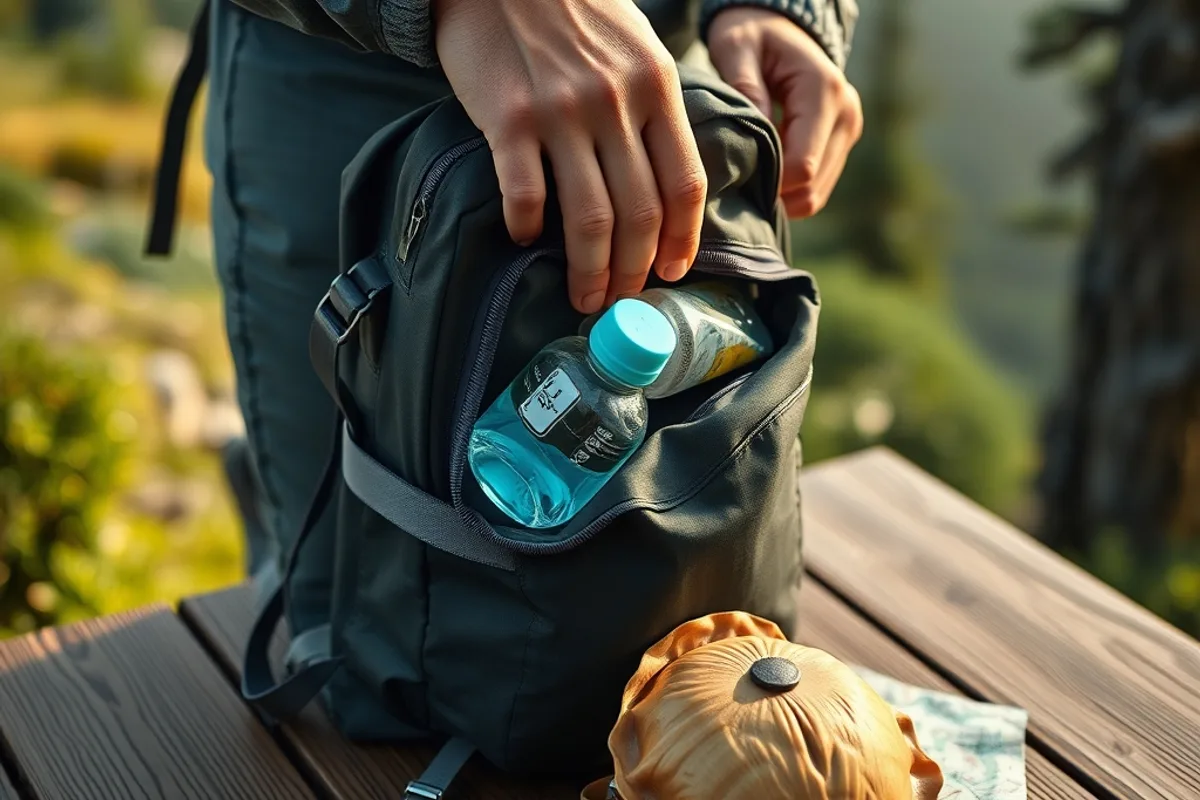
Beginners buy too much gear and forget the boring essentials. You need water, food, a rain layer, sun protection, a warm layer, a small first-aid kit and a way to carry it all comfortably. Proper footwear beats a fashionable jacket every time, and wool or synthetic layers beat cotton when they get wet.
Rent specialist equipment from the operator at first. It is cheaper, it is checked, and you learn what you actually like before buying. Bring your own socks, base layers and blister plasters. Break in your boots before you travel, not on the trail, and carry your phone in a waterproof case with the guide's number saved offline.
Where beginner trips get overpriced
The biggest mark-ups are not on the activity itself but on the extras: airport transfers, equipment rental, photographs, and a compulsory dinner that was never mentioned. Ask for the full price including everything, then compare two or three operators on that number rather than the headline rate.
Location matters as well. An activity sold inside a resort or cruise terminal often costs twice what the same trip costs from a local operator a street away. Book directly when you can, pay by card where possible, and avoid anyone who refuses to put the agreement in writing. A fair price buys you a better guide, not just a cheaper day.
Build a trip around one main activity
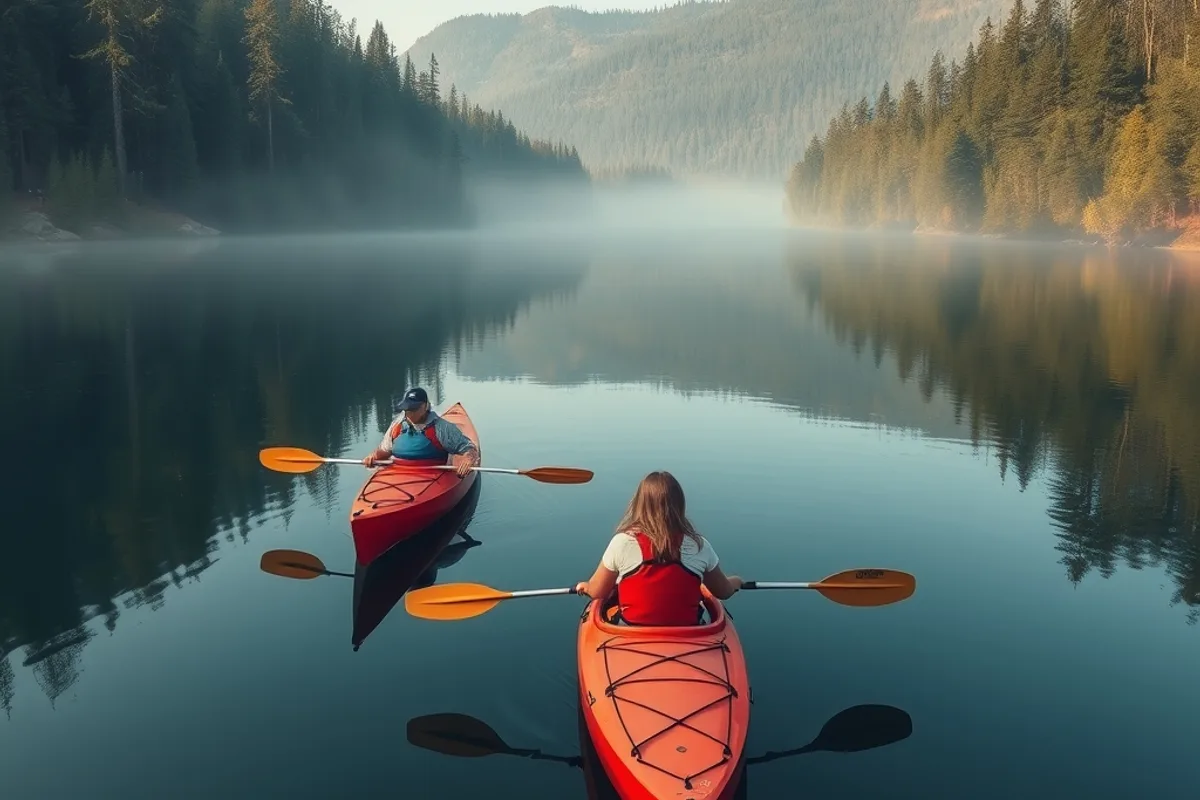
A common beginner mistake is stacking three adventures into four days and spending the rest of the holiday recovering. Pick one main activity, give it a buffer day in case weather moves it, and use the remaining days for gentle walking, food and rest. That structure also gives you a fallback if you decide the activity is not for you.
Stay close to the start point the night before. A 5am transfer after a late arrival is how people begin a hike already tired. Check the season honestly: a trail that is easy in July can be dangerous in November, and a dive site that is calm in the morning can be rough by afternoon. Local guides know this; your booking confirmation usually does not.
“Adventure is not the absence of a plan. It is a good plan with room for surprise.” — Myrna Coradi Editorial
The bottom line
Adventure tourism does not require extreme sports or a big budget. It requires a realistic first step, a properly checked guide and a plan for weather, insurance and gear. Choose one activity you are curious about, do it with someone qualified, and leave the harder version for next time. The goal is to come home wanting another trip, not nursing an injury and a story about the day you nearly died.
For official guidance, see UN Tourism adventure and nature travel information.