Adventure Travel Insurance: What It Covers and What Not
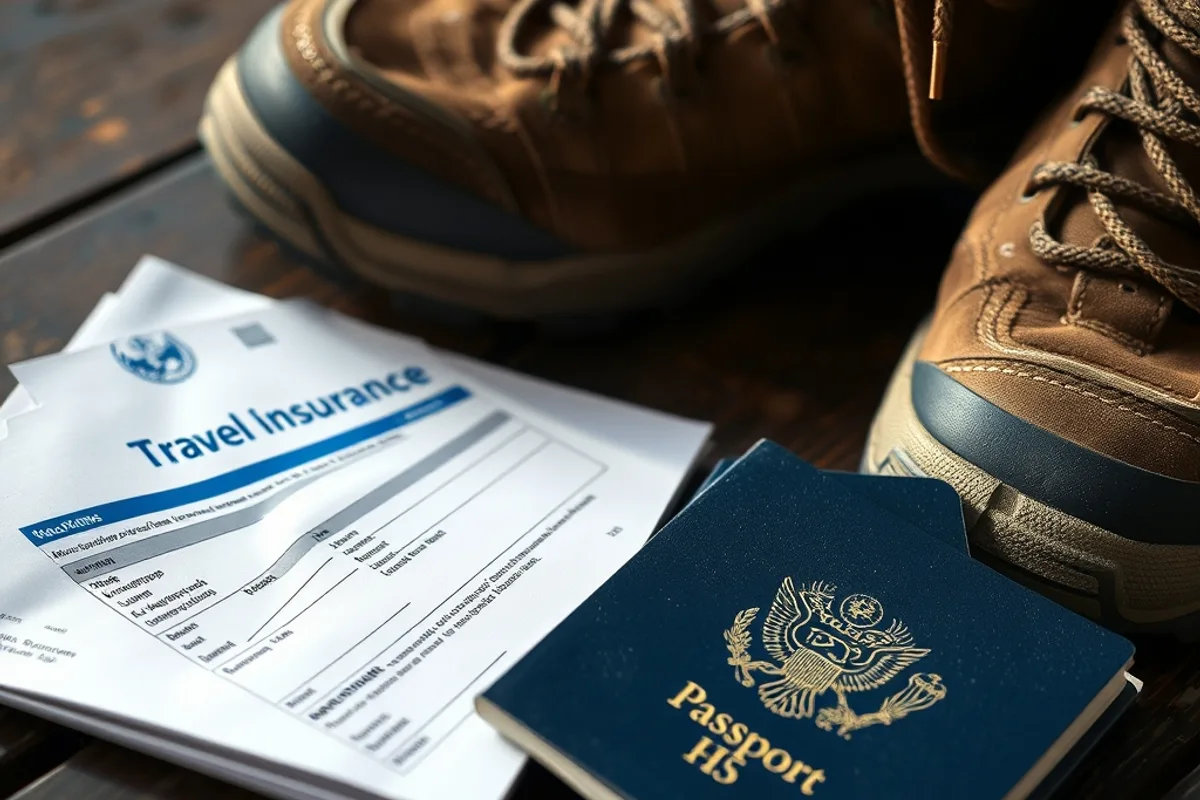
Adventure travel insurance is one of those purchases people make quickly and read never. Then something happens on a ridge, a reef or a rented scooter, and the claim is declined because the activity sat in a small exclusion list on page nine. The fix is simple: spend ten minutes checking the policy against the actual trip before you pay.
This guide explains what standard travel insurance usually covers, where adventure activities fall outside it, how evacuation works in practice, and the questions to ask before you rely on a policy in a place where hospitals are far away.
Standard cover is built for ordinary holidays
A normal travel policy covers medical treatment, repatriation, lost luggage, cancellation and personal liability up to stated limits. It is designed around cities, beaches and transport, not around ropes, altitude or open water. The medical section may be generous for a broken ankle in a hotel lobby and useless for the same injury four hours up a mountain.
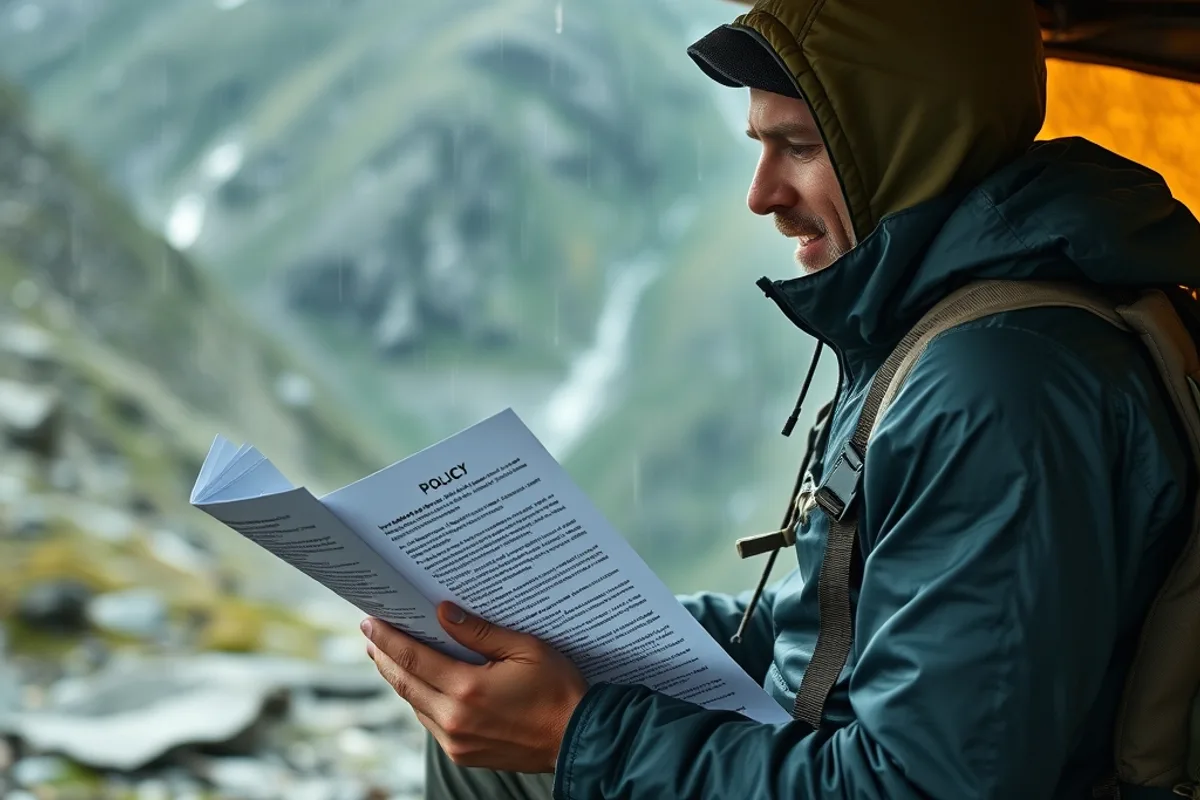
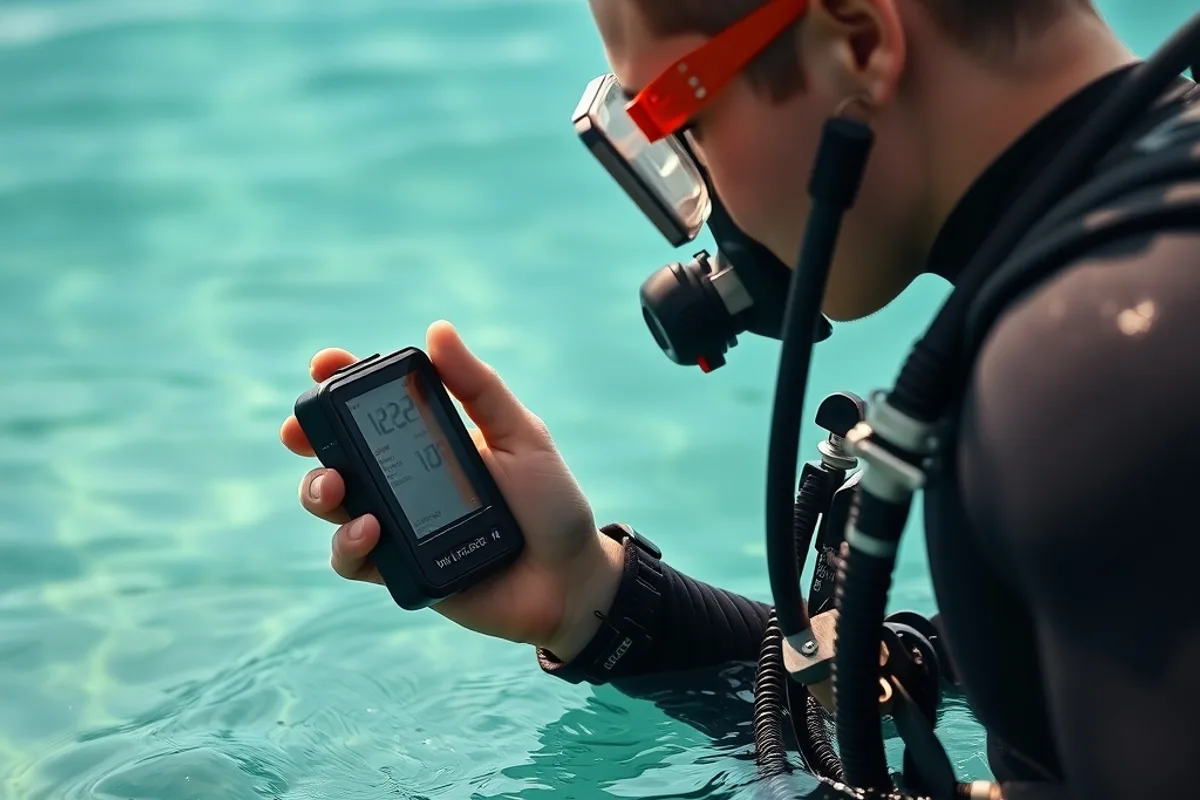
Read the activity list rather than the summary. Insurers often group activities into tiers, from everyday walking to "extreme" sports that need a separate premium. The wording matters more than the label: a "trekking" exclusion may start at 3,000 metres, and a "diving" exclusion may apply below a certain depth or without a certified buddy.
The exclusions that catch most travellers
The usual suspects are altitude hiking, skiing and snowboarding off-piste, scuba diving below a set depth, climbing, mountaineering, cycling in traffic, and riding a moped or scooter without a full licence. Some policies also exclude travel against government advice, which can void cover during a storm, a strike or a health emergency.
Alcohol is another quiet one. A claim after a few drinks is often reduced or refused, even if the accident was not your fault. Check the rules on pre-existing conditions and on activities booked after departure, because a policy bought for a beach week will not automatically stretch to a last-minute canyoning day.
Evacuation is the number that matters
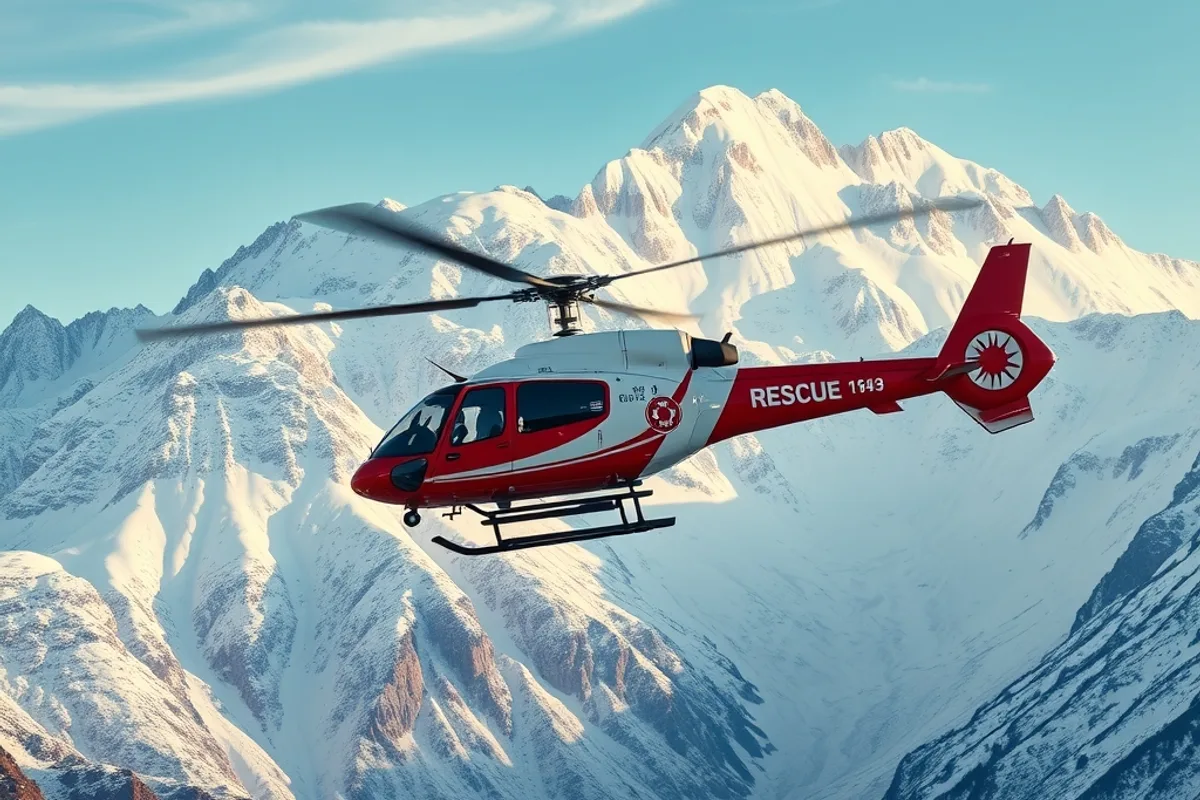
In remote areas, the expensive part is not the clinic. It is the helicopter, the mountain rescue team and the flight home with a medical escort. Look for a policy with a high emergency evacuation limit, no requirement to call a cheaper local facility first, and a 24-hour hotline that can authorise transport quickly.
Ask whether the insurer pays the provider directly or reimburses you later. A direct-payment guarantee is worth a lot when the hospital wants a deposit before treatment. Save the hotline number offline, tell someone at home which policy you hold, and keep receipts for everything, including taxi fares to a clinic.
Buy early, and check the cancellation terms
Cover usually starts when you buy it, not when you leave. Buying on the same day as the first booking protects you if illness or a family emergency forces you to cancel. That is often the most likely claim of all, and it costs nothing extra to be early.
Cancellation cover should list the specific reasons it accepts and the evidence required. "Any reason" policies exist but pay a percentage, not the full amount. Check whether adventure activities are covered for cancellation as well as medical, since a broken leg before departure is a different clause from one during the trip.
How to check a policy in ten minutes
Open the policy document and search for the name of your activity. Then read the medical, evacuation, activity and general exclusion sections in that order. Write down the limits, the excess and the hotline. If the activity is not named at all, email the insurer and ask for written confirmation before you buy.
Compare two policies on the same trip rather than on price alone. A cheap policy with a low evacuation limit and a long list of exclusions is not a bargain. A slightly dearer one that covers your exact activity, altitude and depth is the only one that does its job.
What to do when something goes wrong
Call the insurer's assistance line before you commit to expensive treatment, unless it is a genuine emergency. Follow their instructions on which facility to use, keep every document, and ask the treating doctor for a written diagnosis and a note that the treatment was necessary. Photograph the paperwork before it gets wet or lost.
If the claim is declined, ask for the exact clause in writing and appeal with evidence. Insurers do reverse decisions when the paperwork shows the activity was covered. The important thing is to have the right policy before the trip, because no amount of arguing later fixes a cover that was never there.
“Buy the policy for the worst day of the trip, not the average one.” — Myrna Coradi Editorial
The bottom line
Adventure travel insurance is not a formality. Match the policy to the activity, the altitude and the distance from help, buy it when you book, and keep the hotline where you can reach it without signal. If the premium looks high, price a helicopter evacuation instead. The policy is the cheaper option almost every time.
For official guidance, see UN Tourism travel and safety information.