All-Inclusive or Boutique: Which Getaway Is Worth It?

The all-inclusive versus boutique debate is usually framed as luxury versus value. That is the wrong question. Both can be excellent and both can be a waste of money. The real question is how you spend a normal day, and whether the pricing model matches it.
An all-inclusive resort bundles room, food, drinks and often activities into one rate. A boutique hotel gives you a room and breakfast, then leaves the rest to you. One removes decisions and limits choice. The other does the opposite. This guide compares them on the things that decide whether you come home happy.
What all-inclusive really includes
The headline rate typically covers the room, buffet meals, local drinks and some entertainment. It rarely covers everything. Premium spirits, speciality restaurants, spa treatments, babysitting, airport transfers and excursions are often extra. Some resorts also cap how many times you can use the à la carte restaurants, which pushes most guests back to the buffet.
Read the inclusions line by line before you compare prices. A resort that charges for bottled water, coffee or the shuttle into town is not the same product as one that includes them. Check the reviews for queues at the buffet and whether the beach is private or shared with a public road.

What boutique really costs
A boutique hotel usually gives you a smaller property, more personal service and a stronger sense of place. You pay for the room, then meals and drinks separately. That can be cheaper or much dearer, depending on the destination and your habits. In a town with excellent cheap restaurants, paying for every meal is a pleasure. In a remote bay with one overpriced hotel kitchen, it is a trap.
Add up three ordinary days: breakfast, lunch, dinner, drinks, snacks and water. Do it with real menus, not guesses. Then add transfers and any activities you would actually book. The total is the true comparison, and it often closes the gap between the two models more than the headline rates suggest.
Match the property to the people
Families with young children often get genuine value from all-inclusive. Buffets handle fussy eaters, pools are designed for children, and the fixed price removes the daily negotiation about ice cream and boat trips. Long stays also benefit, because the marginal cost of each extra day is low.
Couples and solo travellers usually prefer boutique unless they plan to stay inside the property all day. A small hotel with a good kitchen and a short walk to local restaurants gives more variety and a better sense of the place. Groups are the hardest case: all-inclusive prevents awkward splitting of bills, while a boutique villa with a shared kitchen gives more freedom.

Service, crowds and the beach
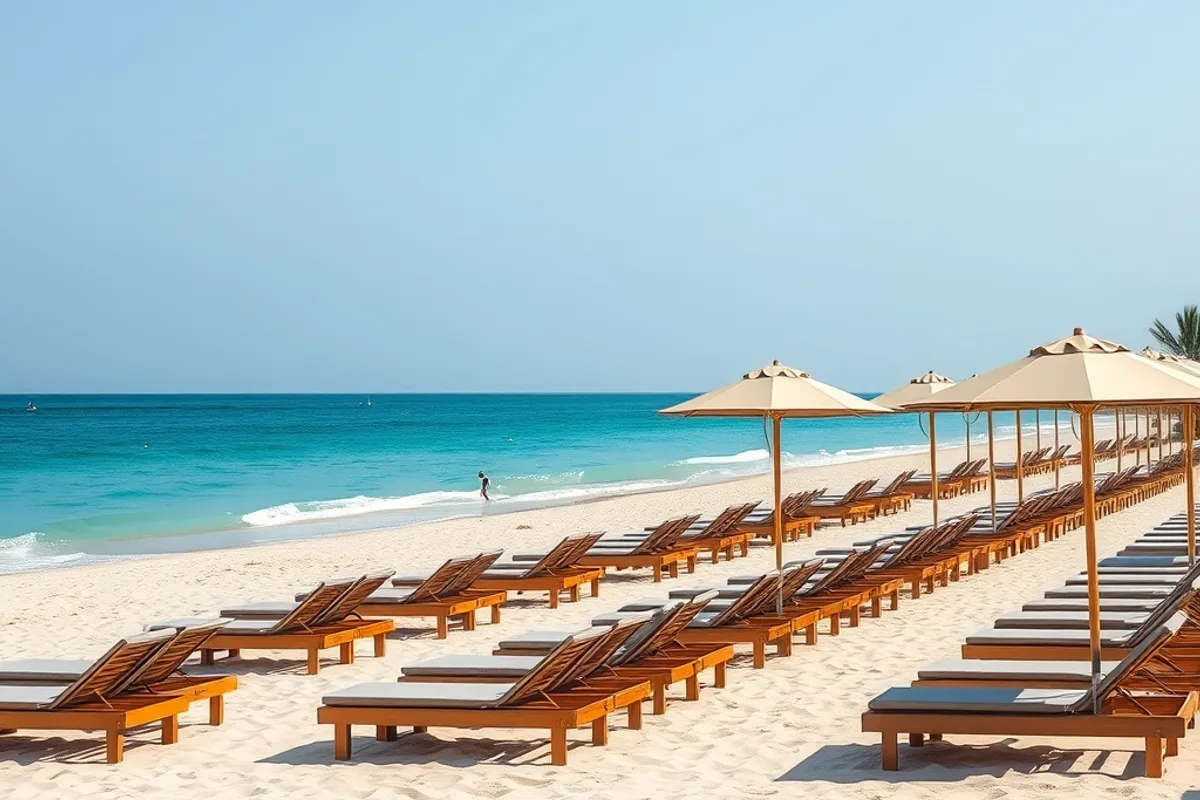
Scale changes the experience. A 600-room resort can deliver efficient buffet service and a long list of activities, but it will also have queues at peak times and a beach full of reserved loungers. A 20-room boutique property knows your name and remembers your coffee, but may have a tiny pool and no gym.
Check the actual beach and sea access on a map, not in the brochure. Some resorts advertise a beach that is across a road, or a cove that disappears at high tide. Look at recent guest photos rather than the official gallery, and search reviews for words like "building work", "noise" and "walk".
The hidden costs on both sides
All-inclusive extras tend to be experiences: a boat trip, a spa package, a nicer bottle of wine. Boutique extras tend to be logistics: taxis, breakfast, beach clubs and drinking water. Neither is dishonest, but both are easy to miss. Set a daily budget for the things outside the room rate and check it against the first day's spending.
Also check the cancellation terms. Resort rates often require full prepayment months ahead, while boutique hotels may offer free cancellation until a week before. That flexibility has real value if your dates are not certain. Travel insurance can cover some cancellations, but only for listed reasons.
A simple way to decide
Write down what a perfect day looks like. If it involves breakfast, pool, lunch, beach, dinner and an early night, all-inclusive probably wins. If it involves walking to a market, trying three restaurants and coming back late, boutique is the better base. If you want both, split the trip: a few nights in a small hotel in town and a few in a resort outside it.
Do not choose all-inclusive just because the number looks final. It is only final if you never leave the property or order anything outside the package. Do not choose boutique just because it photographs better. A beautiful room with no nearby food and an expensive taxi ride is not the relaxed holiday the pictures promised.
“All-inclusive sells certainty. Boutique sells taste. Decide which one your holiday actually needs.” — Myrna Coradi Editorial
The bottom line
Neither model is inherently better. All-inclusive is excellent for families, long stays and travellers who hate daily decisions. Boutique is excellent for couples, food-led trips and anyone who wants the destination rather than the property. Price three real days, read the inclusions, and pick the one that matches your habits. The best getaway is the one whose pricing disappears into the background of a good holiday.
For official guidance, see UN Tourism accommodation and tourism data.