How to Book Local Tours Without Getting Ripped Off

Local tours are one of the best ways to understand a place. A good guide turns a street into a story and a market into a meal. A bad one turns four hours into a sales pitch with a stop at a souvenir shop. The difference is rarely the price. It is the operator, the group size and what is actually included.
This guide is a practical checklist for booking tours on the ground: how to compare offers, read reviews properly, avoid commission traps and know when to walk away.
Start with the itinerary, not the brochure
Ask exactly where the tour goes and how long it stays at each stop. A "city highlights" tour can mean four photo stops from a moving bus. A "food tour" can mean three tastings and a long walk past closed shops. The itinerary should name places, times and what is included.
Check whether entry fees are included. Many tours advertise a low price and then collect tickets separately, which is not necessarily a scam but changes the comparison. Ask about food, water, transport and tips in the same conversation. A clear operator answers in specifics; a vague one talks about the experience.
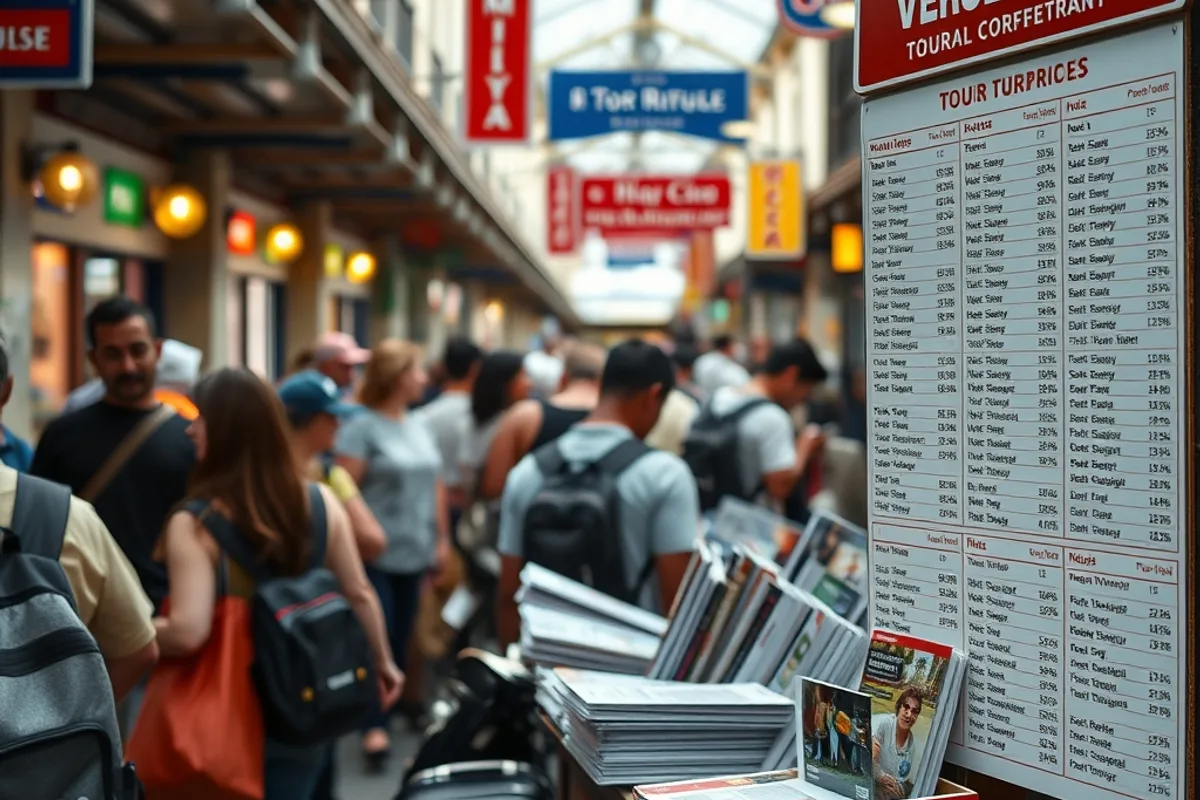
Group size is the quality test
A walking tour with twenty-five people is a herding exercise. A cooking class with fourteen is a demonstration. Ask for the maximum group size and compare it on the same tour. If the operator will not say, assume the worst.
Small groups cost more per person and are almost always better value. You can hear the guide, ask questions and move at a human pace. For food, culture and wildlife, this matters more than the vehicle or the lunch. For a simple transfer or a big landmark, a larger group is fine.
Read reviews for the details, not the score
Sort reviews by newest and read the three-star ones first. They usually mention the problems the five-star reviews gloss over: waiting time, a guide who left early, a shop stop, a promised item that did not happen. Look for patterns across several reviews rather than one bad day.
Check whether reviews are for the same tour you are booking. Operators often run several products under one page, and a great reputation for a small walking tour says nothing about their bus trip. Search the guide's name if it is listed; repeat guides are a good sign.

Avoid the commission circuit
Tours sold in hotel lobbies, cruise terminals and the busiest square often include a commission of thirty to fifty percent. The guide is paid less, the group is bigger and the itinerary includes a shop that pays the seller. Walk two streets away and compare the same tour from a local office or directly with the guide.
That does not make every hotel desk a scam. Convenience has value, especially for a short stay or a language barrier. But compare the price and the group size before you commit, and never let anyone pressure you into paying cash before you have seen the itinerary.
Book direct when you can
Direct booking usually means more money reaches the guide and more flexibility for you. Ask the guide or small operator for their own booking page, phone or email. Pay a deposit rather than the full amount if possible, and get a receipt with the date, time and meeting point.
Use a reputable platform when you need buyer protection or a last-minute booking. Check its cancellation policy and whether the local operator is named. A platform is a payment layer, not a guarantee that the tour is good.
Know when to walk away
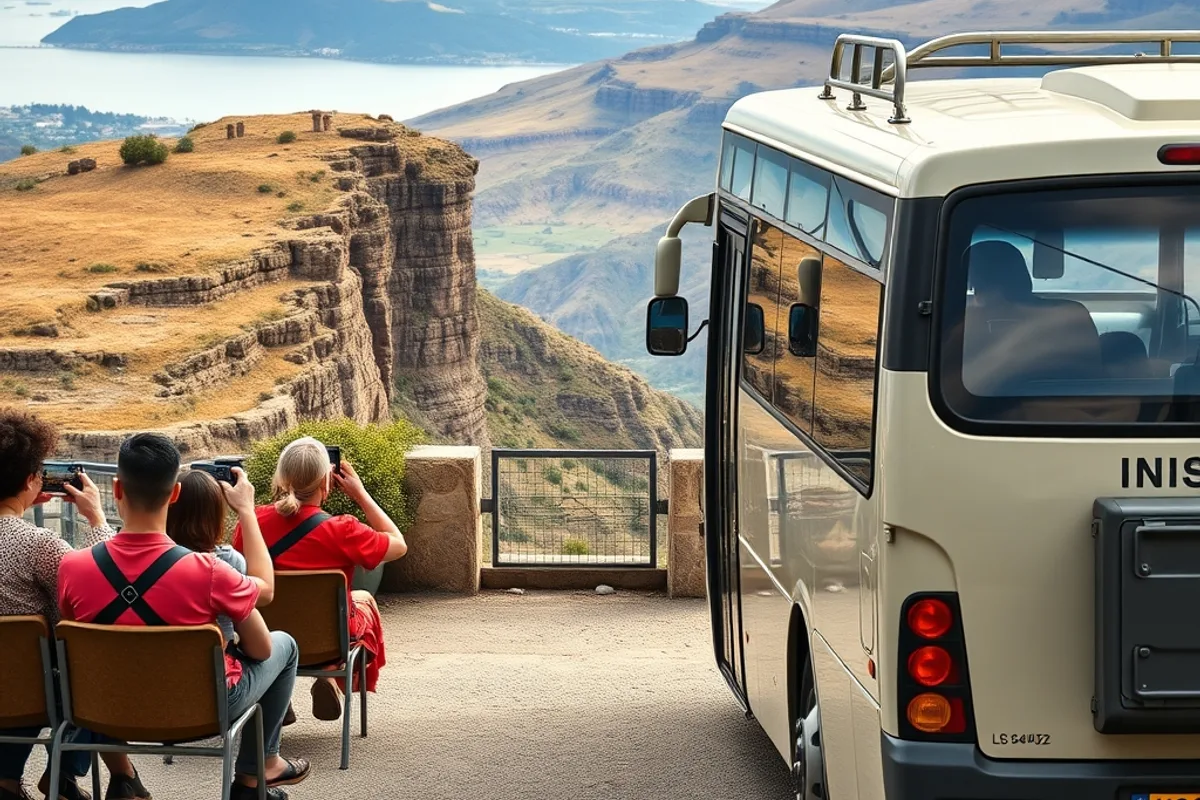
Walk away if the price is dramatically below everyone else, if the operator refuses to name the guide or the itinerary, or if you are asked to pay in full in cash with no receipt. Also walk away if the tour includes an obligatory stop you did not ask for, such as a carpet shop or a pressure sales presentation.
Trust your instinct on the first two minutes. A guide who is rushed, rude or unable to answer basic questions will not improve later. There is always another tour, and a wasted day is more expensive than a slightly higher ticket.
“The cheapest tour is expensive if you spend the day in a gift shop.” — Myrna Coradi Editorial
The bottom line
Book local tours on the specifics: a named itinerary, a small group, a clear total price and a guide you can actually hear. Compare two or three operators, read the critical reviews and avoid the commission desks. A good local tour is one of the best-value hours you can spend in a new place, and it is not hard to find once you know what to check.
For official guidance, see UN Tourism community and local tourism information.