Choosing a Family-Friendly Hotel: What Actually Matters
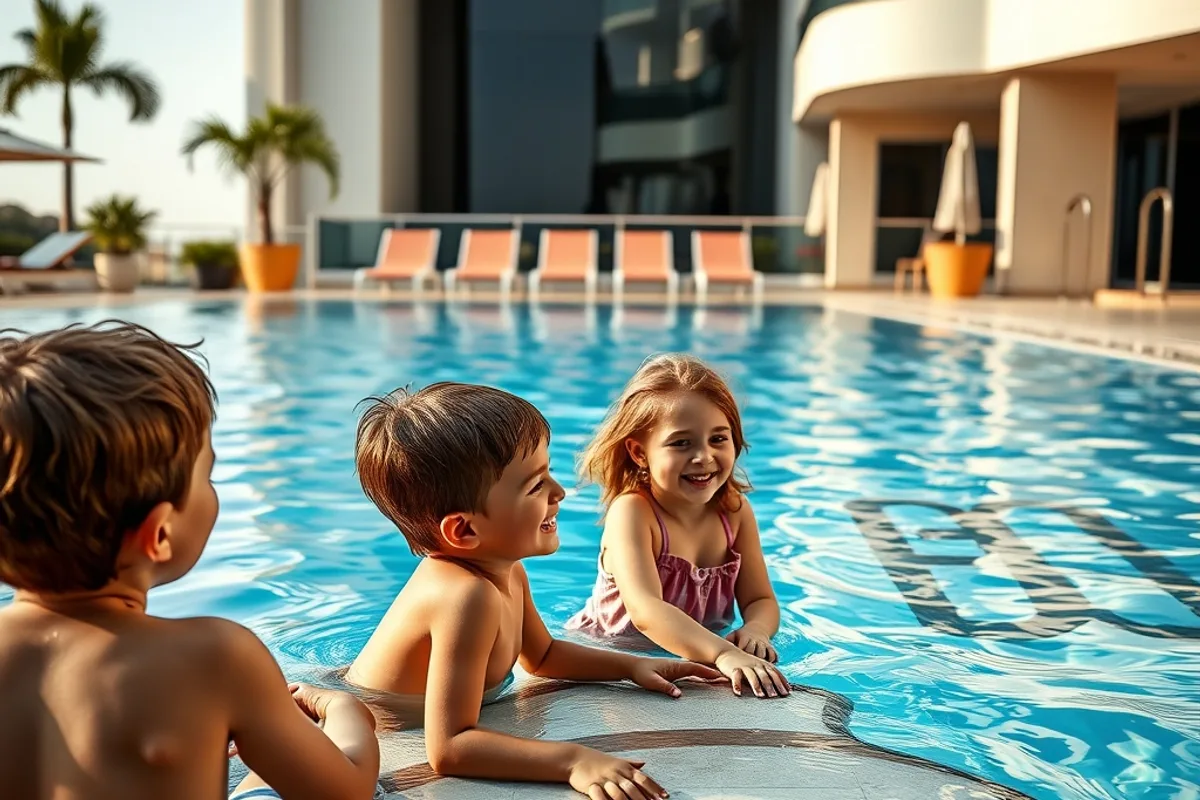
Hotels label themselves family-friendly for reasons that have little to do with families. A kids club, a waterslide and a cartoon on the website can sit on top of a property where the rooms are too small, the pool is too deep and dinner starts too late. Choosing well means checking the things a family uses every day.
This guide covers room layout, pool safety, food, location and the questions to ask before booking. It is written for parents of younger children, but most of it applies to any group that needs a calm base.
Beds, baths and the real room layout
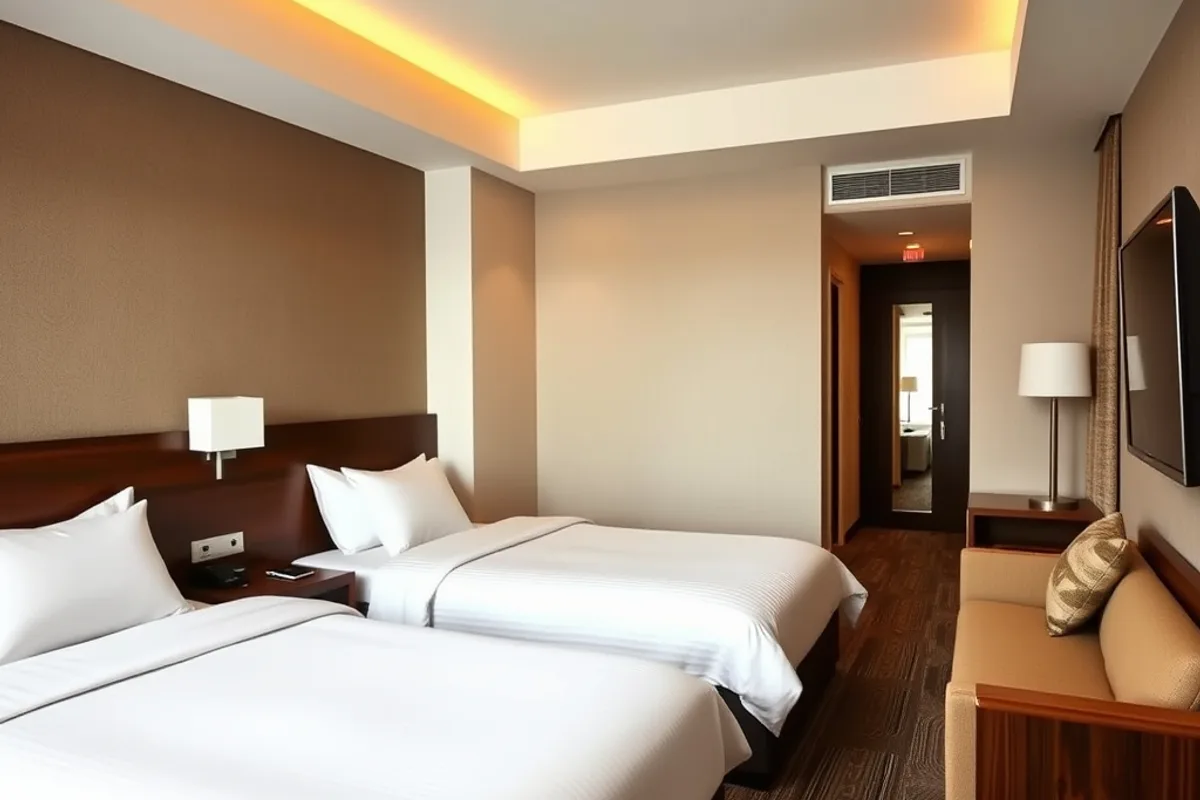
A "family room" can mean four beds in one space, a double with a sofa bed, or two connected rooms. Ask for the exact configuration and the age limit for the sofa bed. A sofa bed that is fine for a seven-year-old is not fine for a teenager, and a cot may cost extra or be unavailable on arrival.
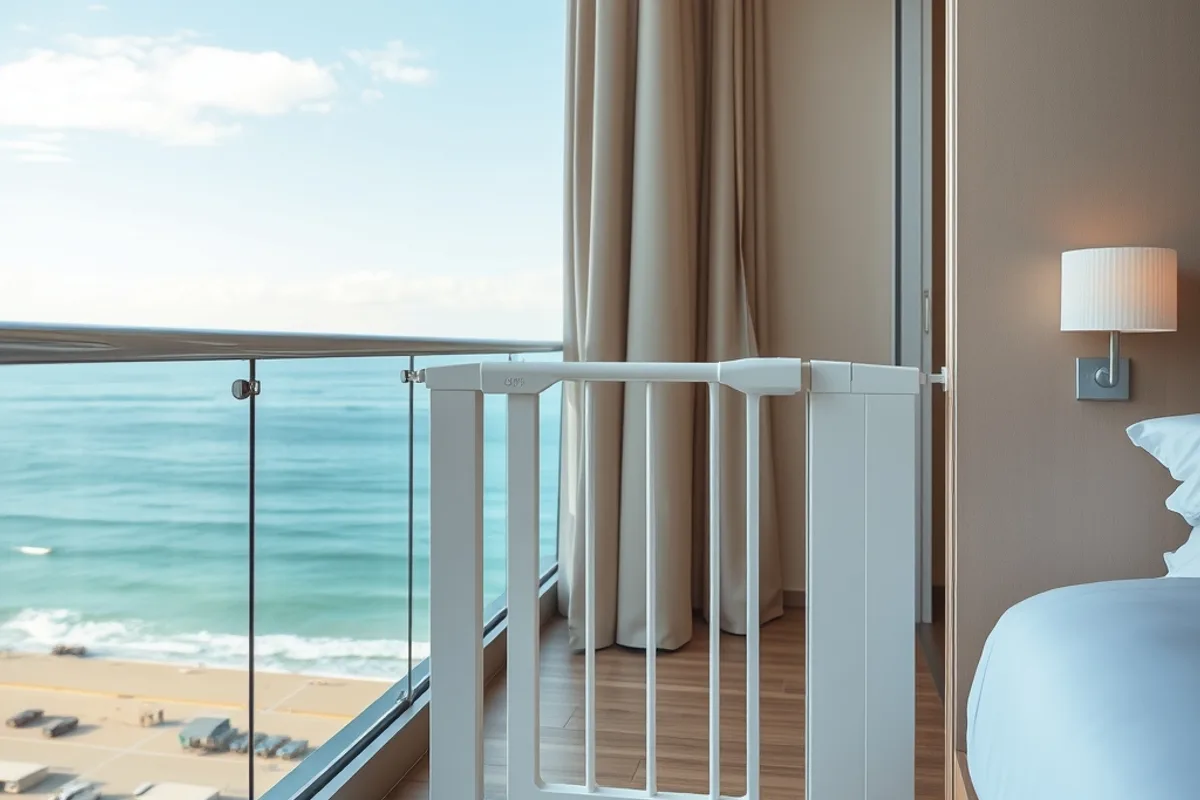
Check the bathroom. A bath is useful for small children, and a walk-in shower is easier for grandparents. Look at the photos for sharp corners, glass tables and balconies with low railings. If you need a quiet room, ask for one away from the lift, the bar and the pool, and confirm it in writing.
Pool safety and supervision
Ask whether the pool has a shallow area with steps, whether it is fenced and whether a lifeguard is on duty. A lifeguard is not a substitute for parental supervision, but the absence of one changes how relaxed the afternoon can be. Check the depth markings and the rules on inflatables and diving.
Look at the walking route from the room to the pool. A pool beside a busy road or an open staircase is a different proposition from one enclosed in a courtyard. For toddlers, a splash area is often better than a large pool, and a beach with a gentle slope is better than one with a sudden drop.
Food and breakfast timing
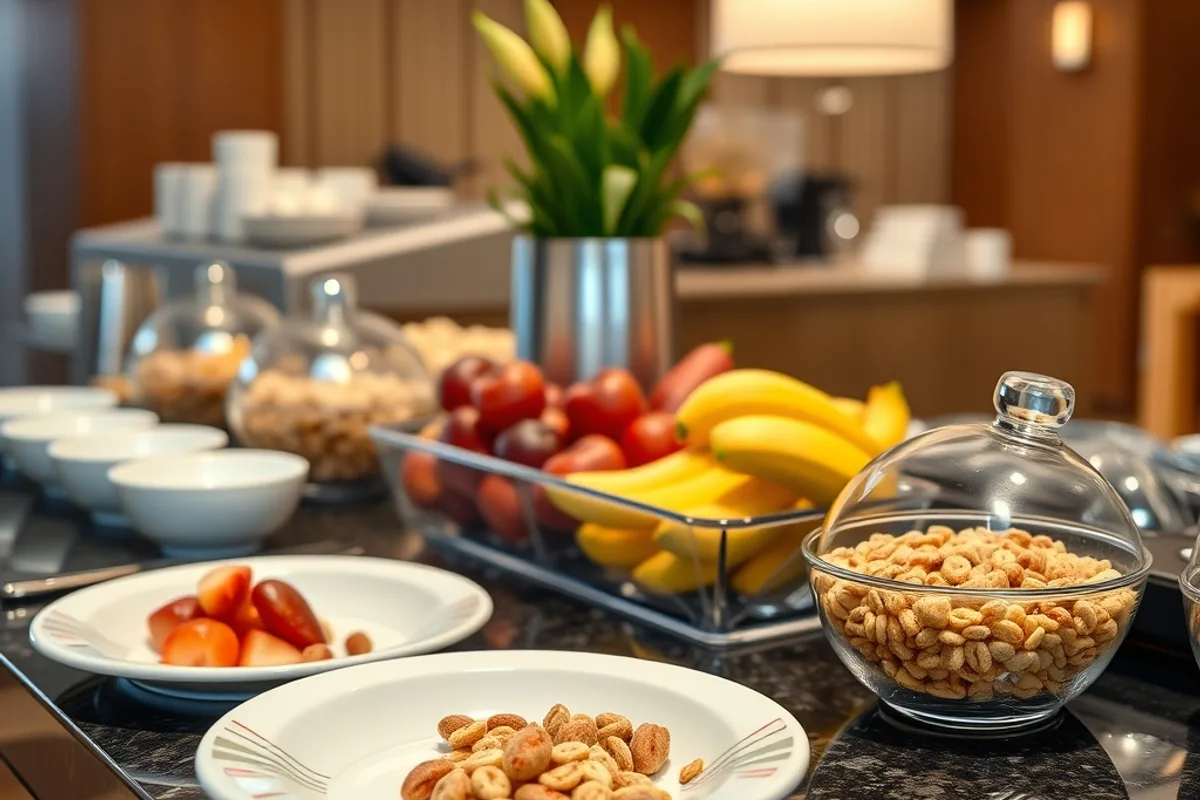
Breakfast is the meal that decides the morning. Check the opening time, whether it is a buffet or a set menu, and whether children eat free. A buffet is easier for fussy eaters, but only if it is restocked and the hot food is actually hot. Ask about allergies and whether the kitchen can prepare a simple plain meal.
Dinner timing matters as much as the menu. A restaurant that opens at 7.30pm is difficult with a tired four-year-old. Look for a hotel with early dinner, room service or a nearby casual option. A small kitchenette or a fridge in the room can solve the evening snack problem cheaply.
Location and the daily routine
Measure the walk to the beach, the shops and the nearest park. A hotel that is a ten-minute drive from everything is fine if you have a car; without one, it can trap a family in the resort. Check the pavement and the traffic on the route, not just the distance.
Think about nap time and bedtime. A room on a busy corridor, above a bar or facing the pool can be noisy exactly when a child needs quiet. Ask about quiet hours and whether the hotel hosts events or weddings during your dates. A beautiful property with a wedding every Saturday is not restful.
What a kids club should actually provide
Ask about the age range, staff qualifications, ratios, opening hours and whether the club is included. A club that takes children from four to twelve in one room is not the same as one with separate age groups and a proper schedule. Visit it before you leave your child, and check the sign-out policy.
Do not choose a hotel only for the club. Children often prefer the pool, the beach and time with you. A club is useful for a few hours, not a substitute for a holiday. If you plan to use it, confirm that it operates outside school holidays and that places are not first-come-first-served.
Questions to ask before booking
Email the hotel and ask: what is the exact bed configuration for our party? Is the pool fenced and is there a shallow area? What time is breakfast and is there an early dinner option? Are there cots, high chairs and a fridge in the room? Is there any construction, event or renovation during our dates?
Ask about the cancellation policy as well. Children get ill at short notice, and a flexible rate can be worth more than a discount. Confirm the total price including taxes, breakfast and any resort fees, and keep the answers in writing.
“The best family hotel is the one where the ordinary evening works without a fight.” — Myrna Coradi Editorial
The bottom line
A family-friendly hotel is not defined by a waterslide. It is defined by a room that fits, a pool that is safe, food that is available when children are hungry, a location that works without a car, and quiet when it matters. Check those five things and ask direct questions before you book. The holiday is easier before you even arrive.
For official guidance, see UN Tourism family travel information.