Hotel Management Basics: What Drives Guest Satisfaction
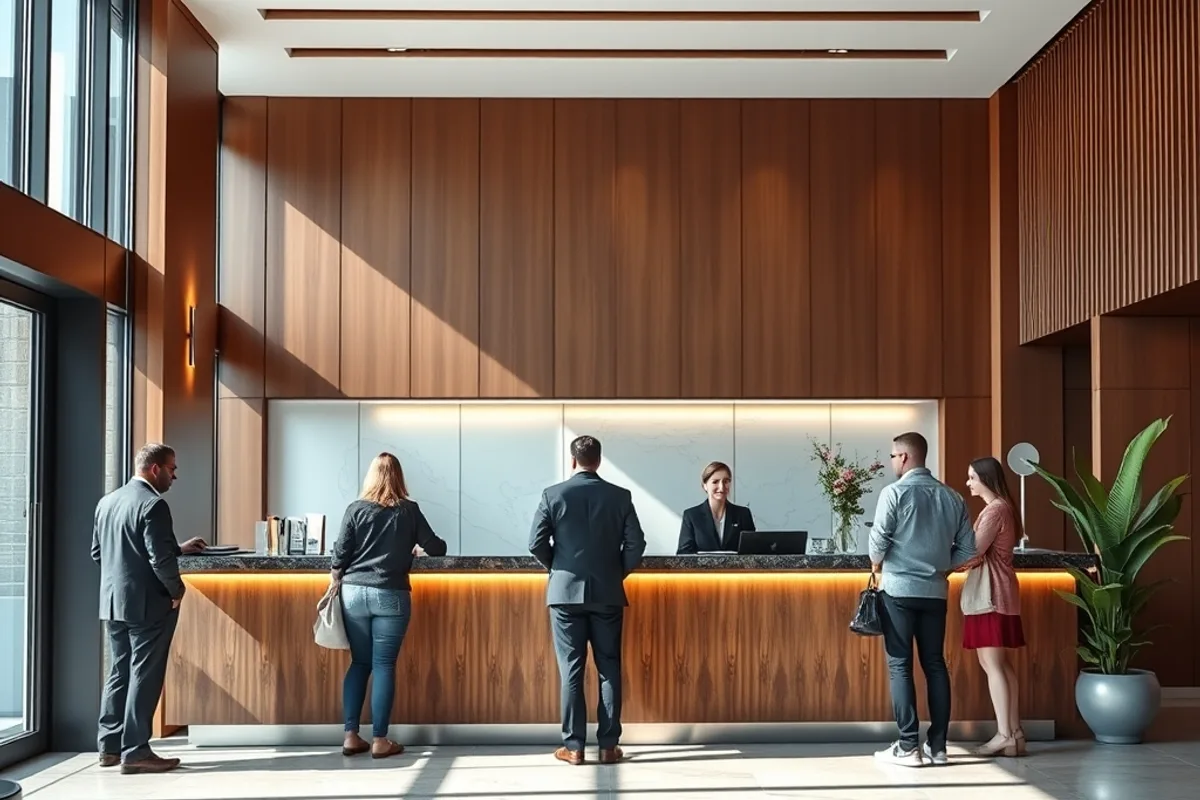
Hotel management is often discussed as a marketing problem: better photos, more reviews, a stronger loyalty programme. In practice, guest satisfaction is decided by operations. A clean room, a working shower, a fast check-in and someone who listens when something goes wrong. The rest is decoration.
This guide covers the basics that matter most in a small or mid-sized hotel: room readiness, front-desk behaviour, complaint recovery, staffing and the maintenance habits that prevent small faults from becoming bad reviews.
Room readiness beats almost everything
The single most damaging moment in a hotel stay is arriving tired and being told the room is not ready. It sets the tone for everything that follows. Housekeeping should work to a documented standard: bed, bathroom, surfaces, bins, towels, amenities and a final visual check. A checklist is not bureaucracy; it is how a team of ten produces the same result in every room.
Build a buffer into the schedule. If check-in is at 3pm, the room should be finished by 2pm. Inspect a sample of rooms daily, not just on busy days. Deep-clean tasks should be scheduled weekly and monthly, because the dirt guests notice is rarely the dirt on the floor. It is the shower grout, the remote control and the kettle.

Front desk: speed, warmth and information
Check-in should be fast without feeling rushed. The guest wants three things: a room key, a clear explanation of breakfast and Wi-Fi, and someone who seems glad they arrived. Train staff to do all three in under three minutes, and to recognise repeat guests without making a performance of it.
Information is part of service. A short welcome sheet with breakfast times, checkout, Wi-Fi, local transport and an emergency number prevents a dozen questions later. Staff should know the answers to the five most common local questions: where to eat, how to get to the station, what to see in two hours, where to buy essentials, and what to do if something breaks.
Complaint recovery is a process, not an apology
Something will go wrong. The measure of a hotel is what happens in the next ten minutes. Empower front-desk staff to fix small problems immediately: move a room, send a technician, waive a charge or offer a drink. A guest who is heard and helped often becomes more loyal than one who had no problem at all.
Log every complaint with the room number, the issue, the action and the time. Review the log weekly and look for repeats. The same broken lift handle reported five times is a management failure, not five unlucky guests. Follow up after checkout with a short personal message where appropriate, but never argue publicly with a review.
Housekeeping and maintenance are one team
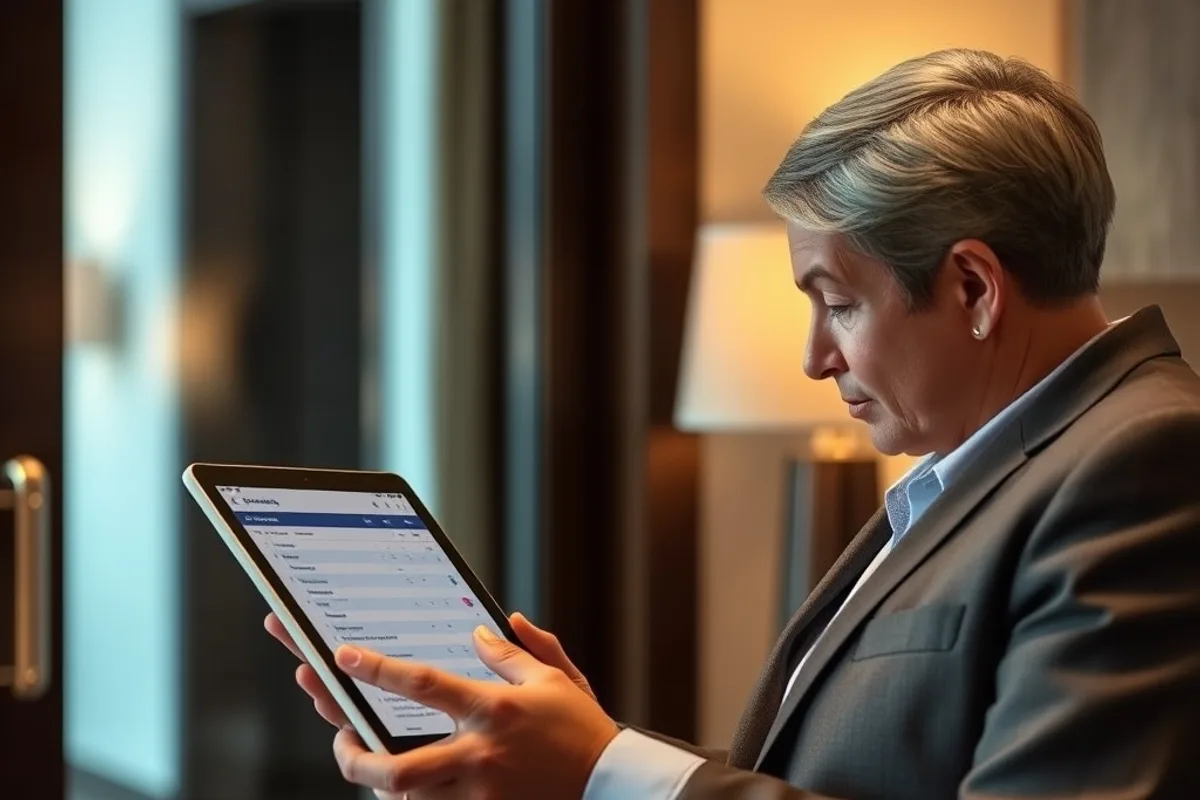
The best hotels treat housekeeping and maintenance as a single feedback loop. Cleaners should be able to report a loose tap, a stained carpet or a flickering light in seconds, and maintenance should close the ticket before the room is sold again. A room with a known fault should be blocked, not quietly assigned.
Keep a simple log of recurring faults by room. If the same bathroom floods every few months, the fix is a plumbing job, not another mop. Preventive maintenance costs less than compensation, and it protects the reputation that marketing is trying to build.
Staffing: the lever nobody wants to pull
Understaffing shows up as slow check-in, dirty corridors and a breakfast buffet that runs out of eggs. It is usually a scheduling problem disguised as a hiring problem. Forecast occupancy by day, not by month, and match shifts to the actual arrivals and departures. Cross-train staff for busy periods so the front desk can help with luggage and the restaurant can reset tables.
Retention matters as much as recruitment. Staff who feel trained, heard and fairly scheduled treat guests better. A short daily briefing, a clear escalation path and recognition for good recoveries cost almost nothing and change the atmosphere of a property.

Breakfast and the small details
Breakfast is the most reviewed meal in any hotel because every guest eats it. It does not need to be elaborate. It needs to be fresh, restocked and served in a clean room. Check the coffee, the hot food temperature and the empty plates. A generous breakfast with slow refills feels worse than a simple one that is well run.
Small details carry disproportionate weight: water pressure, blackout curtains, enough pillows, a mirror near a socket, and instructions that actually work. Walk a room as a guest would, from the corridor to the bed to the bathroom, and fix what annoys you. That tour is more useful than any guest survey.
“Guests do not remember the mission statement. They remember whether the room was ready and whether anyone cared.” — Myrna Coradi Editorial
The bottom line
Guest satisfaction is an operational result. Ready rooms, fast and warm check-in, quick complaint recovery, maintained equipment and enough staff at the right times. Marketing can bring a guest once; operations bring them back. Invest in the boring systems and the reviews take care of themselves.
For official guidance, see UN Tourism hotel and tourism standards.