How to Choose a Resort Without Regretting It Later
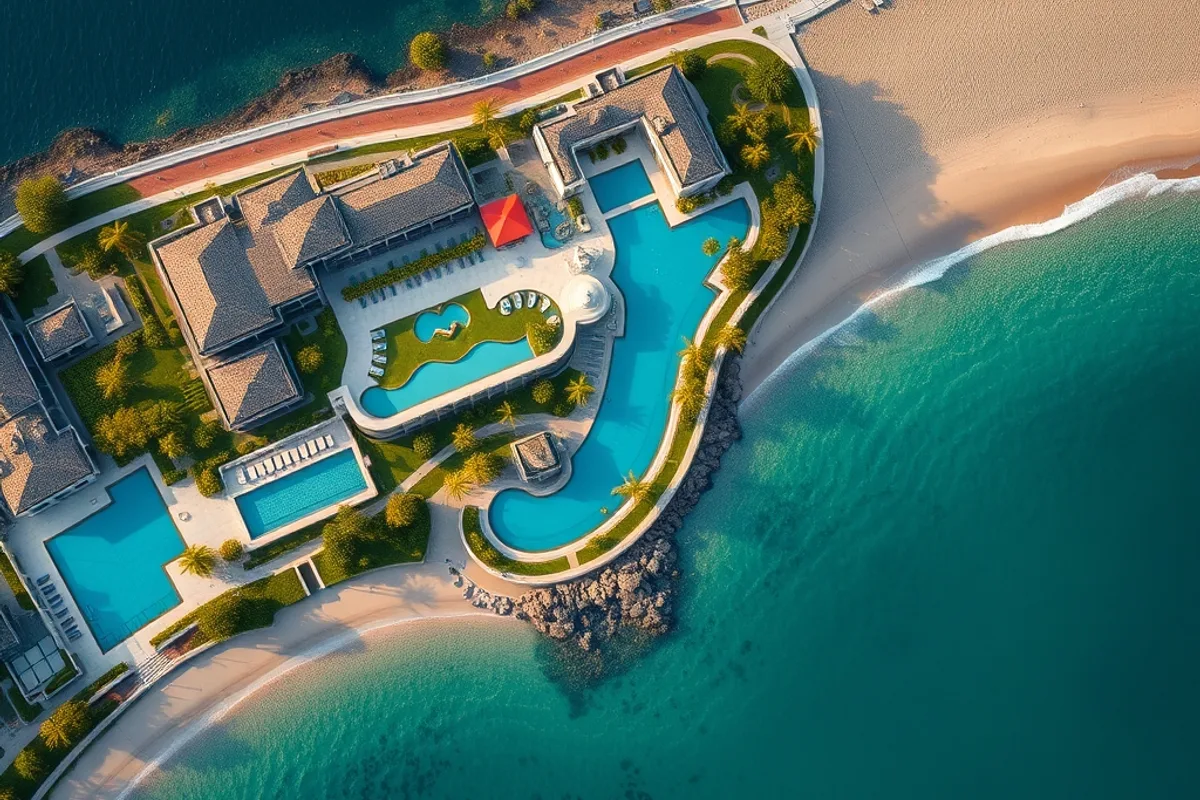
Choosing a resort is a decision made almost entirely from photographs, and photographs are very good at hiding the things that ruin a stay: the road behind the beach, the building work next door, the room category that faces the car park. A few methodical checks before booking prevent most of the regret.
This guide walks through the order that matters: location, room, beach, food and total price. It also covers the review signals worth taking seriously and the questions to ask the hotel directly, so you arrive knowing what you booked.
Start with the map, not the gallery
Find the property on a satellite map and measure the walk to the beach, the nearest restaurants and the airport transfer. A resort that looks beachfront may sit across a coastal road. A quiet bay may be forty minutes from anywhere. Neither is wrong, but both need to match the holiday you want.
Check what is next door. Empty land on a map can become a construction site, and a neighbouring beach club can bring music until midnight. Search reviews for the name of the area and the words "construction", "noise" and "taxi". Look at the dates of those reviews, because last year's building work may be finished and this year's may have started.
Understand the room category
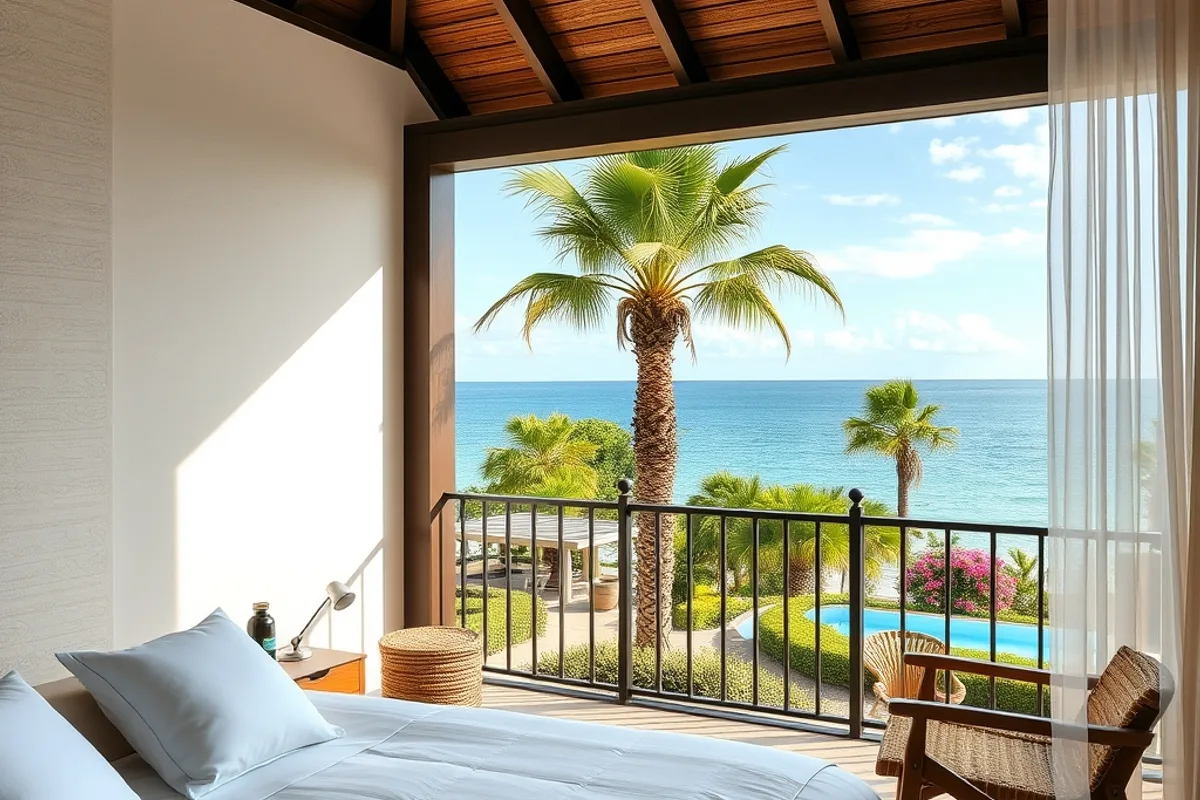
Resorts sell many room types that sound similar. Garden view, partial sea view and sea view can mean very different things, and a "bungalow" may be a detached building or a ground-floor room in a block. Check the floor plan or ask for a photo of the exact category, not a generic room shot.
Look at the bed configuration if you are travelling as a group. A "family room" may be one room with two beds and a sofa, which is fine for young children and cramped for four adults. Check the distance from the room to the pool and restaurant if anyone has mobility needs, and ask whether a shuttle is available inside the property.
Read the meal plan honestly
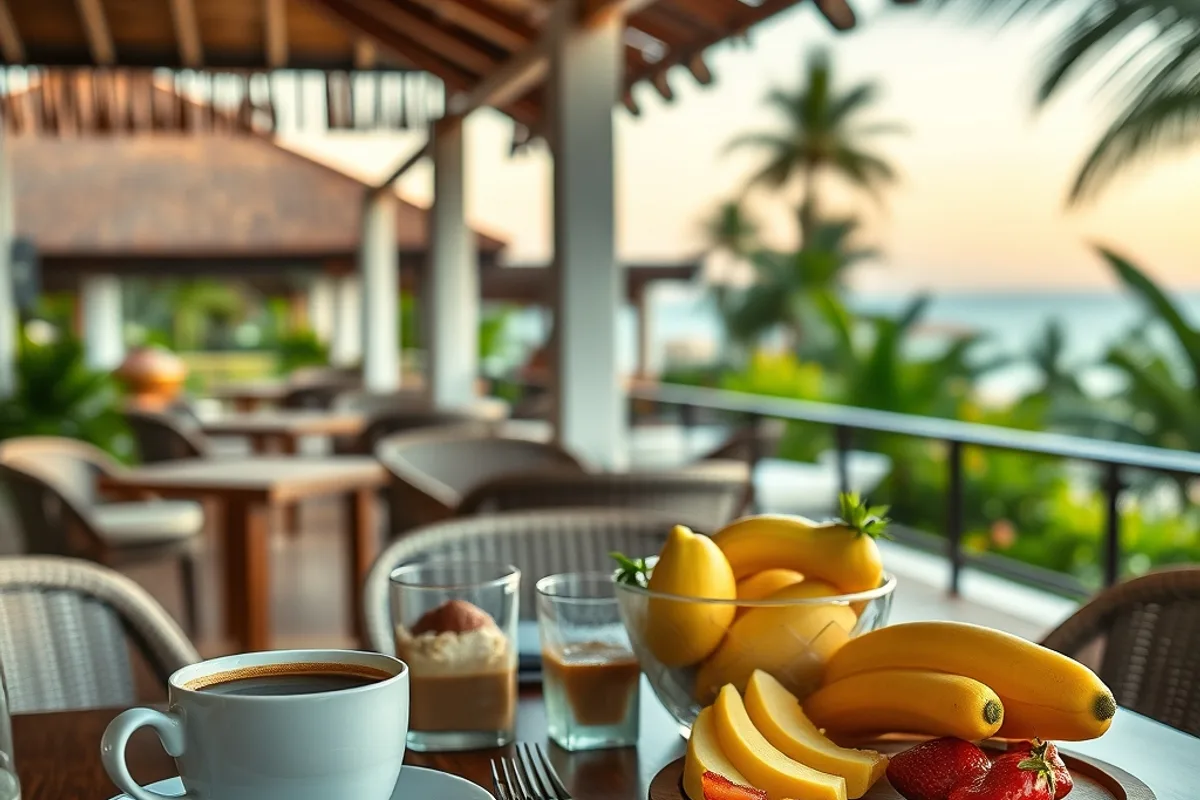
Half board sounds generous until you discover that drinks are charged separately and the buffet closes at 9pm. Full board can mean a long walk for lunch or a fixed menu you did not choose. All-inclusive is only good value if you actually eat and drink on site.
Price what you would spend outside the resort for one day, then compare. A town with great cheap food can make room-only the smartest choice. A remote island with one restaurant can make all-inclusive the only sensible option. Check whether breakfast is included and whether the resort has a shop for water and snacks.
Look at the beach and the sea
Beach quality is seasonal. Erosion, seaweed and tide change the picture, and a beach that is wide in January can be narrow in July. Search recent photos and local reports rather than trusting the resort's gallery. If swimming is the main reason for the trip, check whether the water is calm, whether there are rocks or currents, and whether lifeguards are present.
Pool rules matter more than pool size for families. Check the depth, the shallow areas, the number of loungers and whether towels are included. A beautiful infinity pool with twelve loungers for two hundred guests is a daily argument waiting to happen.
Count the real total price
Add taxes, resort fees, service charges, transfers, parking and any compulsory dinner or celebration supplement. Some countries charge a city tax per night, and some resorts add a service charge at checkout. The nightly rate is only the beginning of the comparison.
Check the cancellation policy and the payment schedule. A non-refundable rate that saves ten percent is a poor deal if your dates might move. Book direct only when the hotel matches the best available rate and includes the same terms; otherwise use a reputable agent and keep the confirmation.

Ask the hotel three questions
Email the property before booking and ask: which room category is this, exactly? Is there any construction or renovation on or near the property during my dates? What is the total price including taxes, fees and transfers? Written answers are useful evidence if something is not as described.
Ask about the transfer time from the airport and the cost. A resort that is two hours away is not a problem if you planned for it, but it changes the shape of a short break. For families, ask about cots, high chairs, kids' clubs and pool depth. For couples, ask about adults-only areas and restaurant booking rules.
“The brochure shows the view. The map shows whether you can walk anywhere for dinner.” — Myrna Coradi Editorial
The bottom line
A good resort choice is mostly research, not luck. Check the map, the exact room, the beach and the total price, then read recent reviews for the problems photographs cannot show. If the answers are clear and the numbers add up, book with confidence. If the hotel avoids a direct question, that is your answer.
For official guidance, see UN Tourism destination information.