Once-in-a-Lifetime Travel Experiences Worth the Splurge
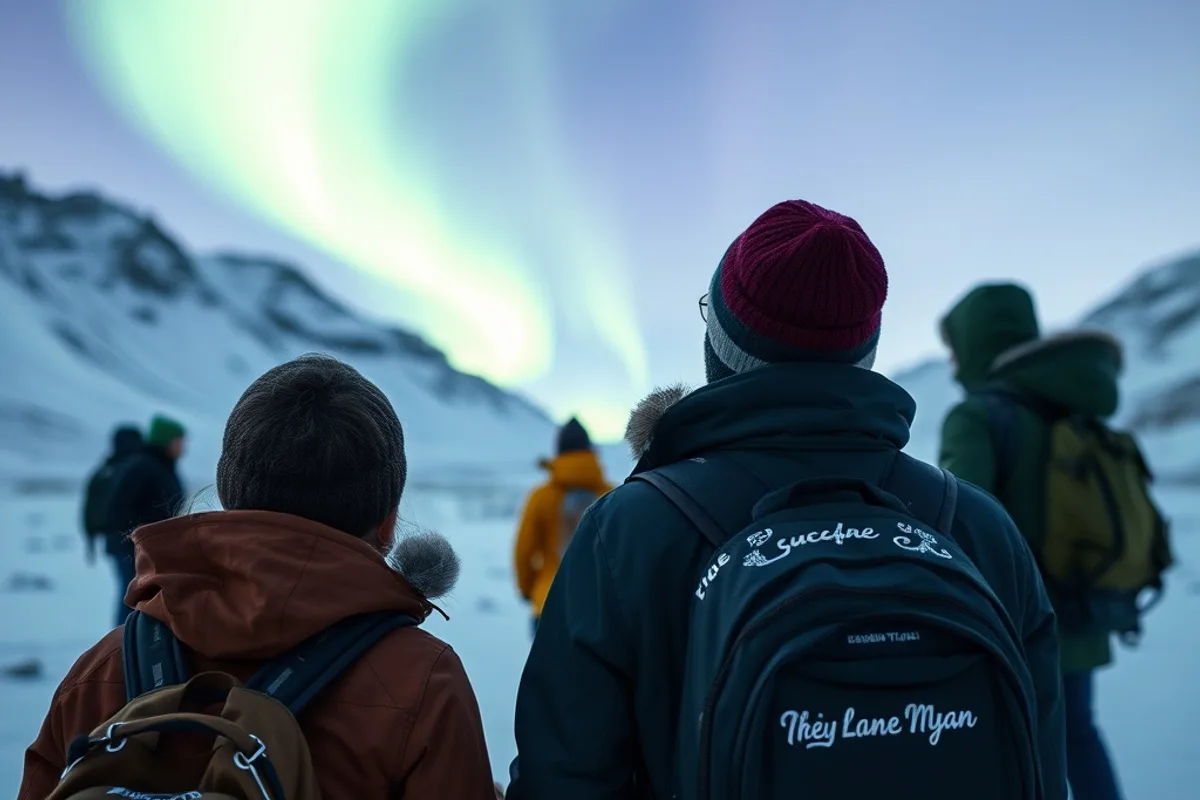
Some trips deserve a bigger budget. A first safari, a northern lights night, a glacier landing, a cooking class with someone's grandmother. These are the experiences people talk about for years, and the right version is worth real money. The wrong version is an expensive queue with a souvenir photograph at the end.
This guide is about choosing the big-ticket experience carefully: what makes it worth the price, where the cheaper version is just as good, and how to avoid the package extras that inflate the bill without adding the memory.
Pay for access, not for transport
The best premium experiences buy something you cannot easily arrange yourself: a permit, a small group size, a guide with genuine expertise, a door that opens early. The weakest ones bundle a bus, a ticket and a lunch and charge three times the sum of the parts.
Ask what the extra money actually buys. If the answer is "a private guide and an earlier entry time", that can be worth it. If the answer is "a nicer bus and a photo package", book the standard trip and spend the difference on a second day. Compare the itinerary line by line, not the marketing headline.
Small groups change everything
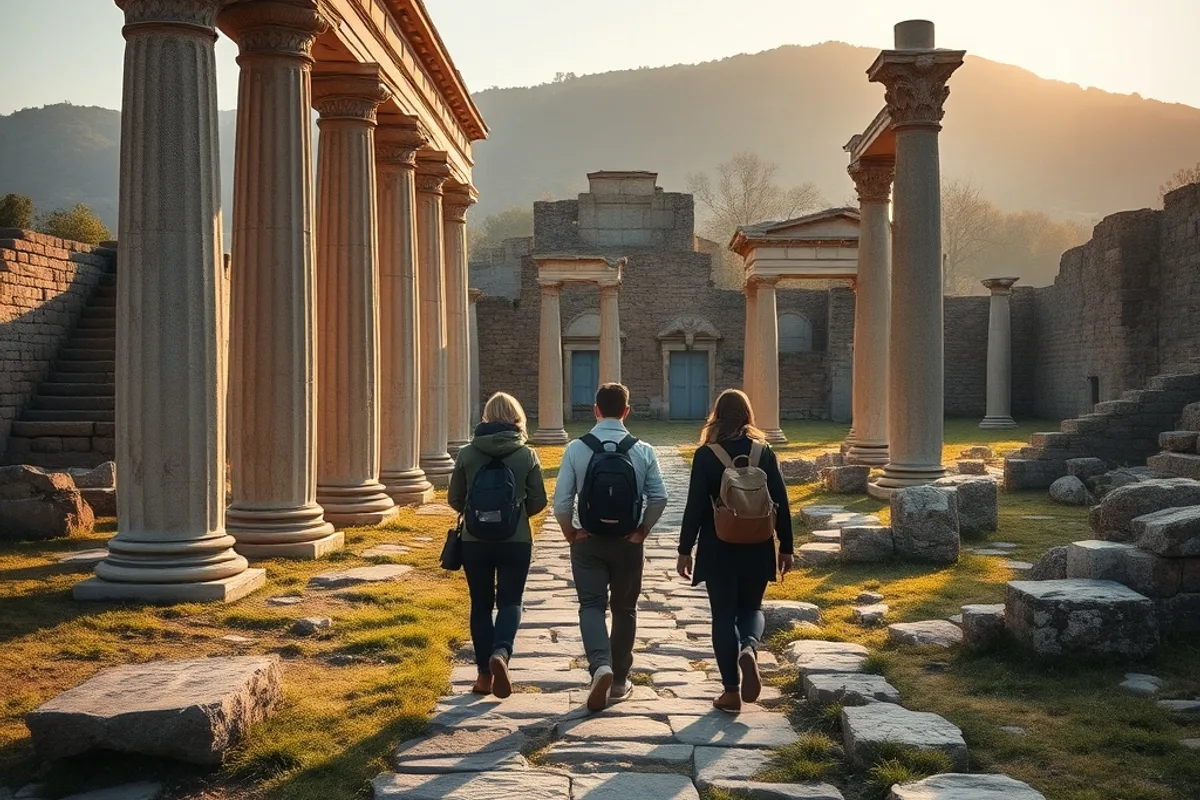
Twelve people and one expert is a conversation. Forty people and one guide with a microphone is a lecture. For wildlife, ruins, food and culture, group size is the single best predictor of quality. Check the maximum number, not the average, and ask whether the guide leads the whole trip or hands you to someone else at each stop.
Small also means quieter. On a glacier, in a cave or at a sacred site, the experience is partly the absence of noise. A group of six can stop and listen. A group of forty cannot. That difference is difficult to photograph and easy to remember.
Check the season and the permit
Many of the best experiences are limited by permits, weather or daylight. Northern lights need clear skies and solar activity, not just a winter date. Some national parks cap daily visitors and sell out months ahead. Whale watching, cherry blossom and harvest experiences all have narrow windows.
Book directly with the operator where possible and check the cancellation policy for weather. A good operator will reschedule rather than take you out in unsafe conditions. Avoid anyone who guarantees a wildlife sighting or clear skies; nature does not work on commission.
Where the cheaper version is just as good
Sometimes the premium is mostly comfort. A shared shuttle and a private car reach the same trailhead. A standard room and a suite sleep equally well after a long day. A group cooking class and a private one use the same recipes. If the core experience is identical, save the money for a second activity.
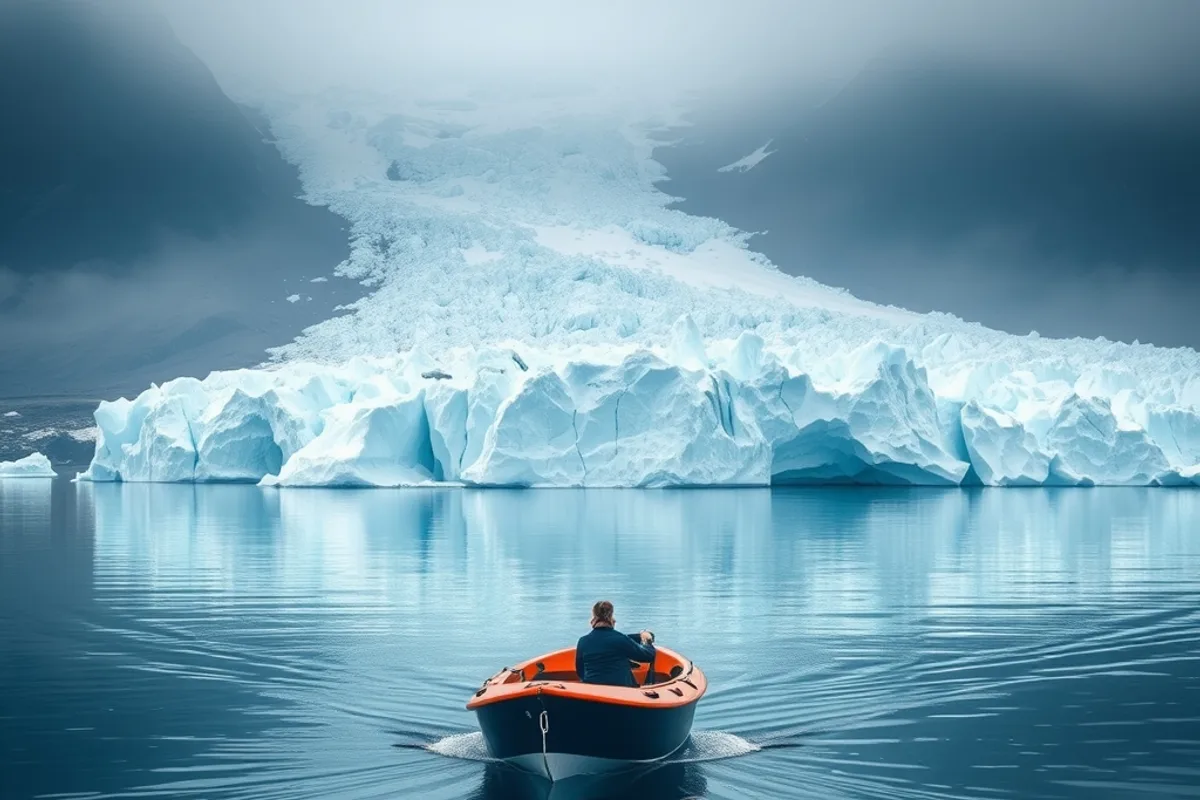
Sometimes it is not. A cheap wildlife boat that chases animals is worse for the animals and for you. A budget glacier walk without proper equipment is a false economy. A cut-price guide who cannot answer questions turns a fascinating site into a photo stop. Spend where expertise and safety are the product, save where the product is just logistics.
Build the trip around one splurge
Choose one experience that justifies the trip and let the rest of the itinerary be modest. A wonderful two-hour balloon flight does not need a five-star hotel the night before; it needs an early alarm and a reliable transfer. Put the money into the moment, not into the padding around it.
Leave a buffer day after the big experience. Weather delays, tiredness and changed plans are common, and a tight schedule turns a highlight into a stress. If the experience is physically demanding, arrive a day early and sleep properly. The best memory is rarely the one booked back-to-back with a red-eye flight.

Watch the extras at checkout
Experiences often add costs after the headline price: park fees, equipment rental, fuel surcharges, photographs, insurance and gratuities. Ask for the total in writing, including whether tips are expected and how much. A price that grows by forty percent at checkout is not the deal it appeared to be.
Pay by card where you can and keep the confirmation. If you book through an agency, confirm who actually operates the trip and who to call if it is cancelled. Read recent reviews for the specific date and season, not just the operator's highlight reel.
“A once-in-a-lifetime trip should be measured in memories per dollar, not dollars per photograph.” — Myrna Coradi Editorial
The bottom line
A once-in-a-lifetime experience is worth the splurge when it buys access, expertise or a smaller group. It is not worth it when it buys a bus and a photograph. Choose one, check the group size, permit and cancellation terms, and leave room in the schedule for the weather to behave. The memory is in the experience, not in the package around it.
For official guidance, see UN Tourism sustainable experiences information.