Revenue Management for Small Hotels: A Practical Guide

Revenue management has a reputation as a corporate discipline: algorithms, analysts and rate fences. In a small hotel it is simpler and more useful. It means knowing which nights are worth more, which channels cost more and which discounts build business instead of eroding it.
This guide covers the practical side for independent properties: demand forecasting, rate setting, online travel agency economics, cancellation control and direct booking, without buying software you do not need.
Start with a demand calendar
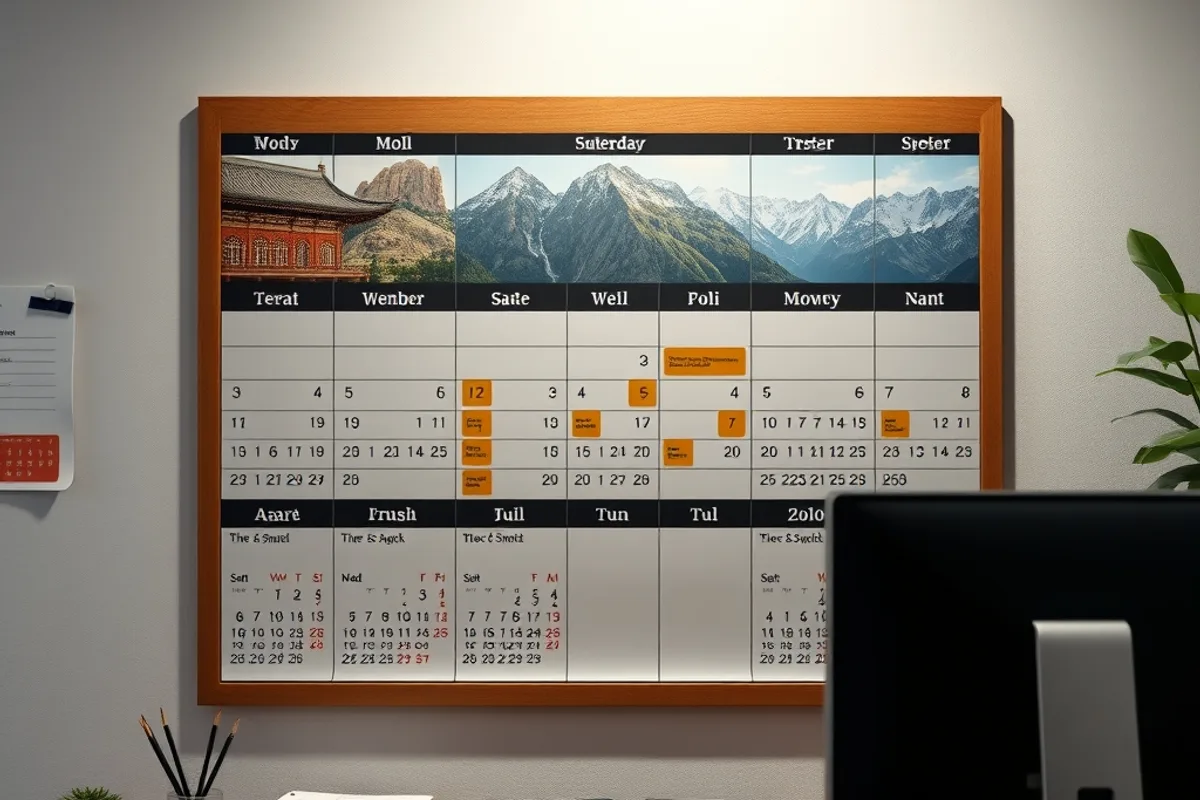
List every date for the next twelve months and mark the known demand drivers: holidays, festivals, conferences, school breaks, local events and high season. Add your own history, even if it is a paper diary. The goal is to see which nights sell without help and which need a push.
Demand is local, not generic. A city marathon can fill a hotel two kilometres from the finish line and leave one across the river empty. Ask neighbouring businesses, check event calendars and review last year's pickup pattern. A simple calendar beats a sophisticated system fed with the wrong assumptions.
Set rates by night, not by season
Seasonal pricing is a blunt tool. Within a high season, some nights are worth much more than others; within a low season, a single concert can fill the building. Set a base rate, then adjust for known demand, day of week and length of stay. Review the next ninety days every week rather than once a quarter.
Do not discount nights that will sell anyway. If a date is already eighty percent booked three weeks out, raising the rate is usually wiser than discounting the last rooms. On the other hand, a quiet Tuesday needs a reason to book: a package, a longer-stay rate or a local partnership.
Understand what each channel costs
An online travel agency charging fifteen to twenty percent commission is not expensive if it fills rooms you would not otherwise sell. It is expensive if it takes bookings from guests who would have called you directly. Track the net rate, not the gross, and review the production of each channel every month.
Encourage direct booking with a genuine benefit: a better cancellation policy, breakfast, a room upgrade or a flexible rate. Do not undercut your own partners publicly, because rate parity disputes are rarely worth the trouble. Compete on service and flexibility instead of on the last five dollars.

Control cancellations and no-shows
Free cancellation drives bookings but also spoils forecasts. Track the cancellation rate by channel and by rate plan. If a flexible rate is cancelled half the time, it is not the same product as a non-refundable one and should not be priced the same.
Use a deposit or card guarantee on high-demand dates, and overbook only with a clear walk policy and a nearby partner. A guest who is moved to a better hotel at your expense may return; a guest who arrives to no room will not. Build the cost of recovery into the decision.
Length of stay and the right guest mix
A one-night booking on a peak weekend blocks a three-night booking and adds cleaning cost. Set minimum-stay rules on the nights that need them, and reward longer stays in the quiet periods. The same logic applies to groups: a large booking can be excellent revenue or a disruption, depending on the dates and the terms.
Watch the guest mix. Too many discount bookings can fill the hotel while leaving no room for higher-value guests. Too few can leave you empty. A healthy mix includes direct repeat guests, a base of OTA production and a small number of high-value bookings in peak periods.
Measure the numbers that matter
Track occupancy, average daily rate and revenue per available room. Occupancy alone is misleading: a full hotel at a low rate can earn less than a half-full one at a fair rate. Review these weekly, alongside the cost of acquisition for each channel.
Look at the booking window as well. If bookings are arriving later each year, hold rates longer instead of panicking early. If your direct share is falling, invest in the website and the follow-up email, not another discount. Small hotels win by knowing their own numbers better than anyone else.
“The cheapest room on a sold-out night is a donation to someone who would have paid more.” — Myrna Coradi Editorial
The bottom line
Revenue management for a small hotel is disciplined attention, not expensive software. Build a demand calendar, price each night on its own merits, know what every channel really costs and protect the direct relationship. Discount where it creates demand, hold where it destroys value, and review the numbers every week. That is enough to outperform most competitors.
For official guidance, see UN Tourism tourism market data.